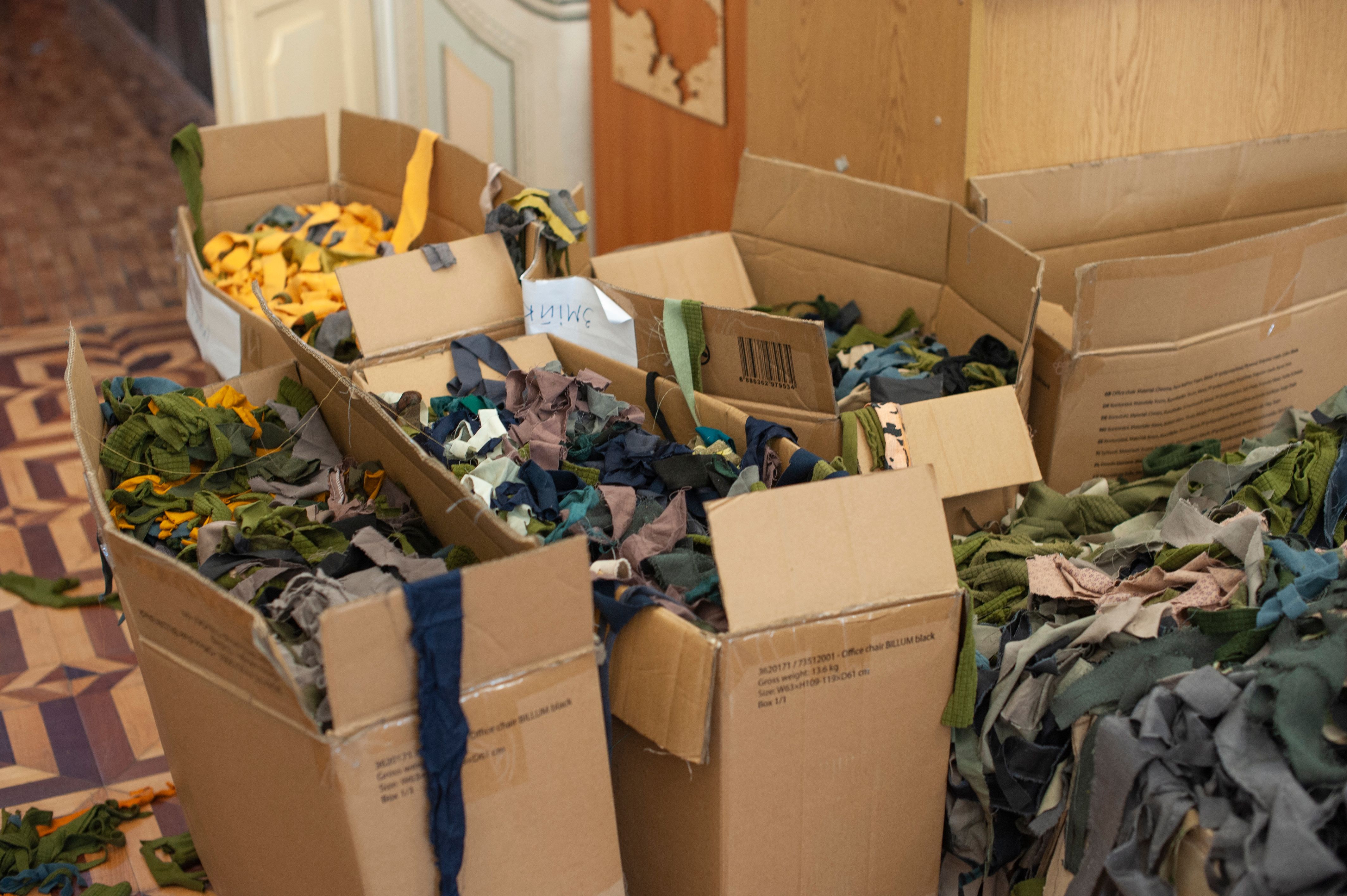
Why the Ability to Process Different Waste Streams Matters for Energy Resilience
Why the ability to process different waste streams increases the applicability of decentralised systems for energy and hydrogen production.
Waste availability and composition vary from one location to another. One industrial area may have access to non-recyclable plastics, another to textile waste, while municipal systems generate sewage sludge and other carbon-containing waste streams.
For decentralised conversion systems, it is therefore important that the technology is not limited to a single type of input material.
One Technology, Different Waste Streams
LOOPER is being developed to process different waste streams, including sewage sludge, non-recyclable plastics, textile waste, industrial biogenic waste, RDF/SRF and biomass residues.
The suitability of each waste stream is assessed in advance through testing and material characterisation. This allows the system configuration to be adapted to the properties of the waste available at a specific location.
Locally Available Waste as a Local Resource
The ability to process different waste streams is particularly important for a decentralised approach. Instead of transporting a single standardised input material from distant sources, the system can be developed around the waste streams already generated in the immediate area.
This creates opportunities to connect local waste management with the production of syngas, energy or hydrogen, depending on the system configuration and project requirements.
Adaptability as the Basis for Broader Application
Different industries, cities and regions face different waste streams. A technology that can adapt to these differences has broader application potential than a system designed around a single strictly defined input material.
For LOOPER, the ability to process different waste streams is therefore one of the key areas of technology development, ranging from textile waste and sewage sludge to other non-recyclable materials with potential energy and material value.
Keep Reading
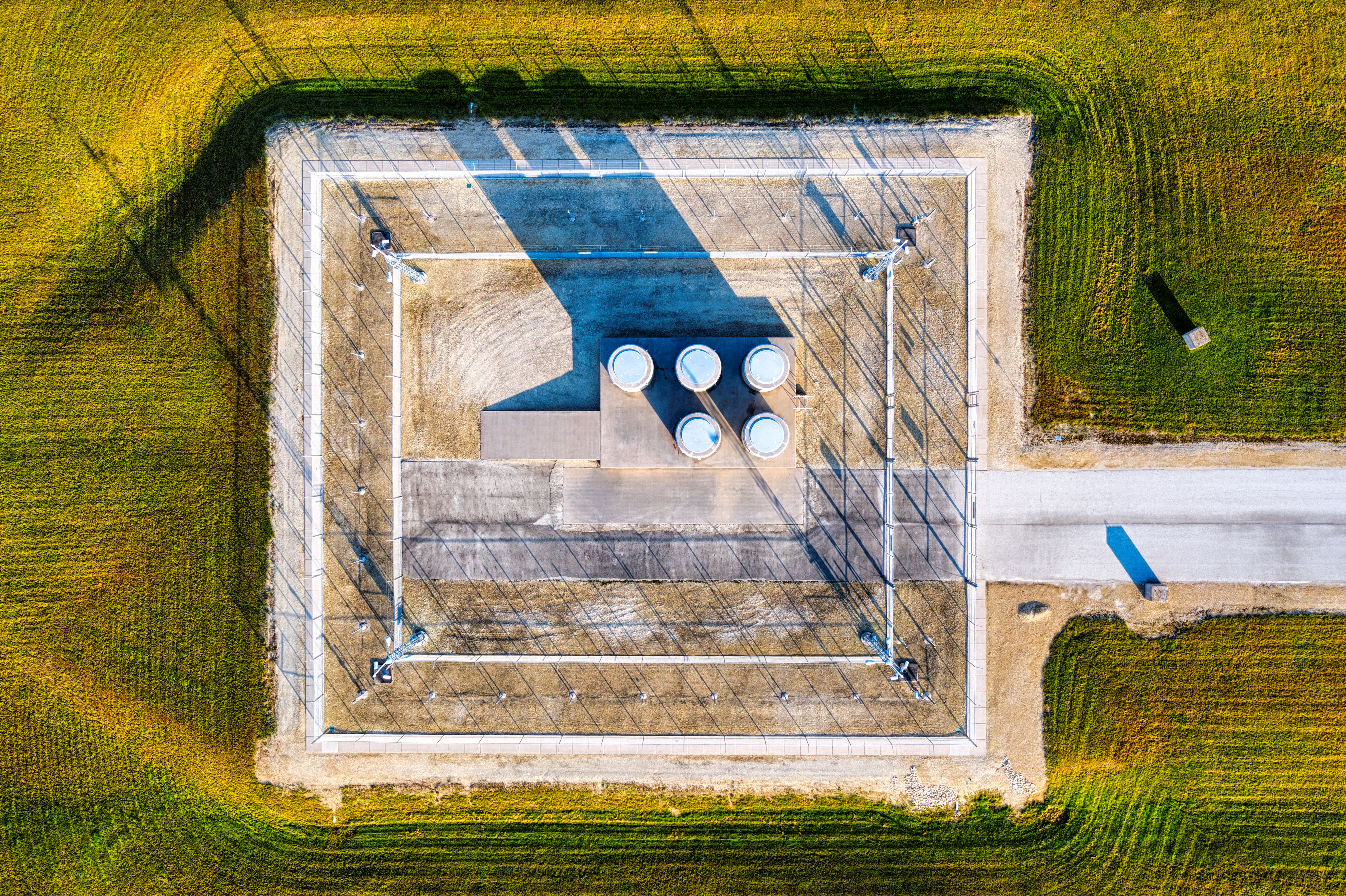
The Role of Decentralised Waste-to-Resource Conversion in the Hydrogen Economy
How local conversion of non-recyclable waste streams can connect waste management with hydrogen production and regional energy systems.
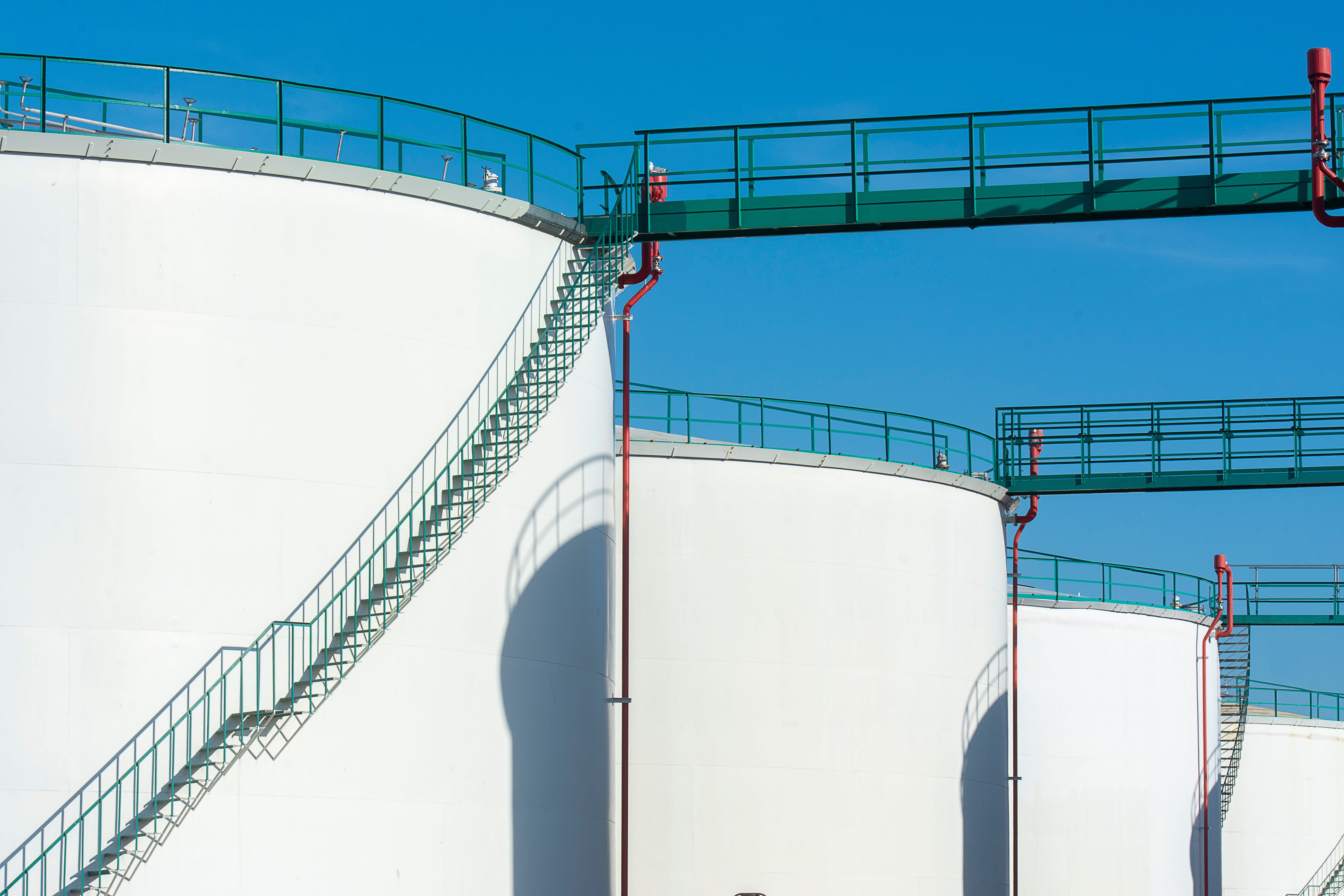
Waste as a Resource in the Hydrogen Economy
How non-recyclable waste streams can become a local resource for energy and hydrogen production.
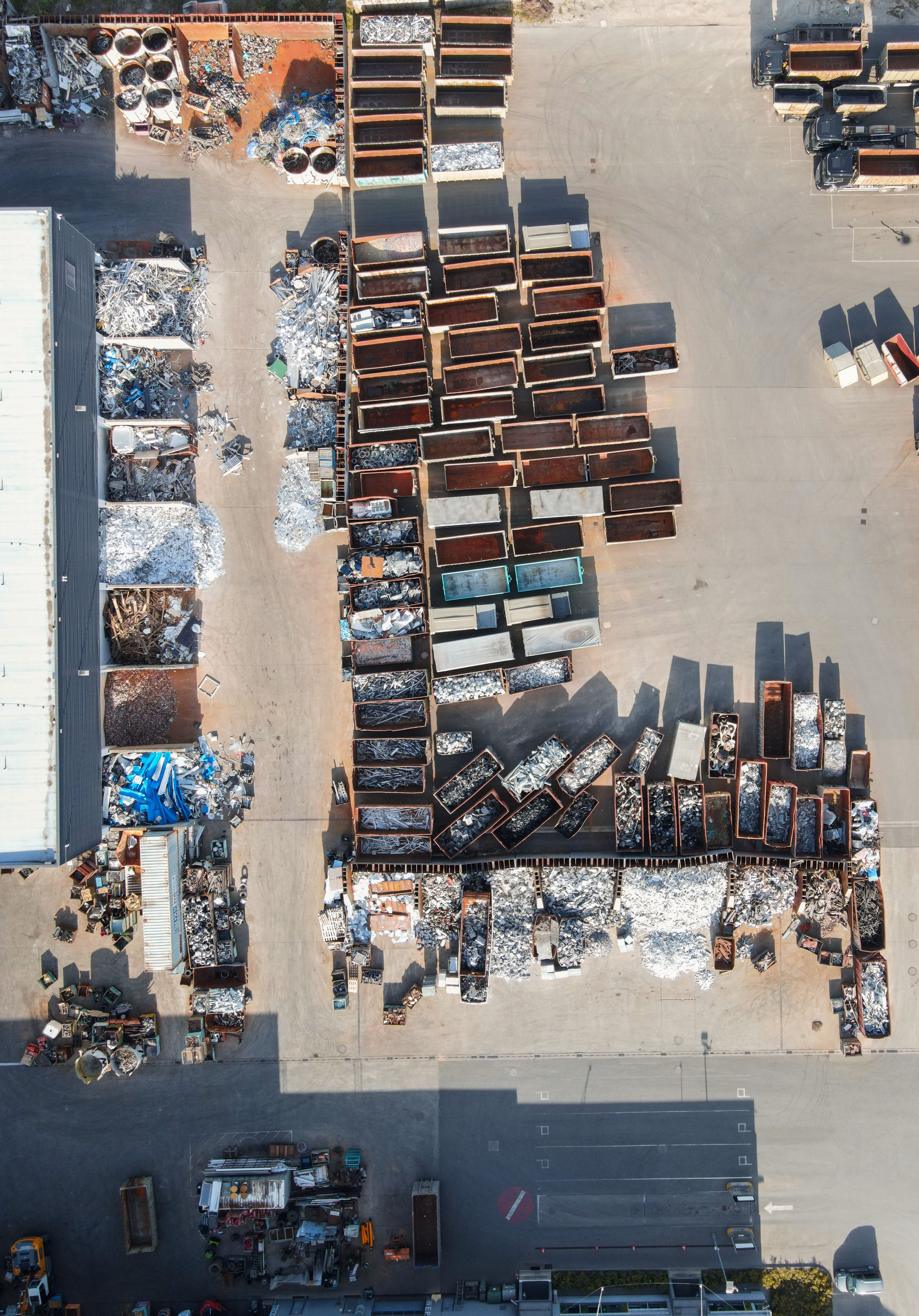
From Non-Recyclable Waste to Energy and Material Resources
How LOOPER converts selected non-recyclable waste streams into syngas and solid residue with potential for further valorisation.